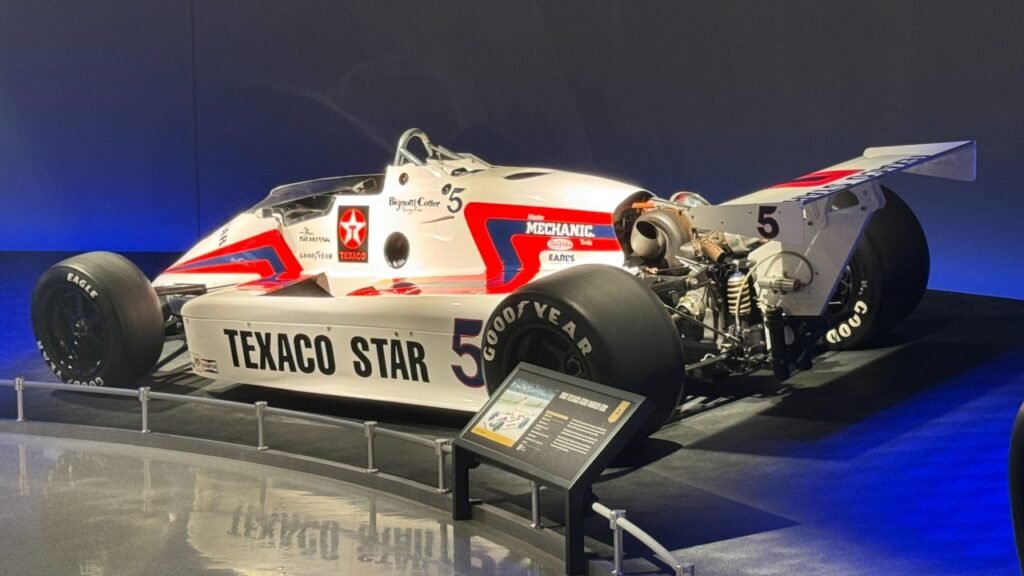
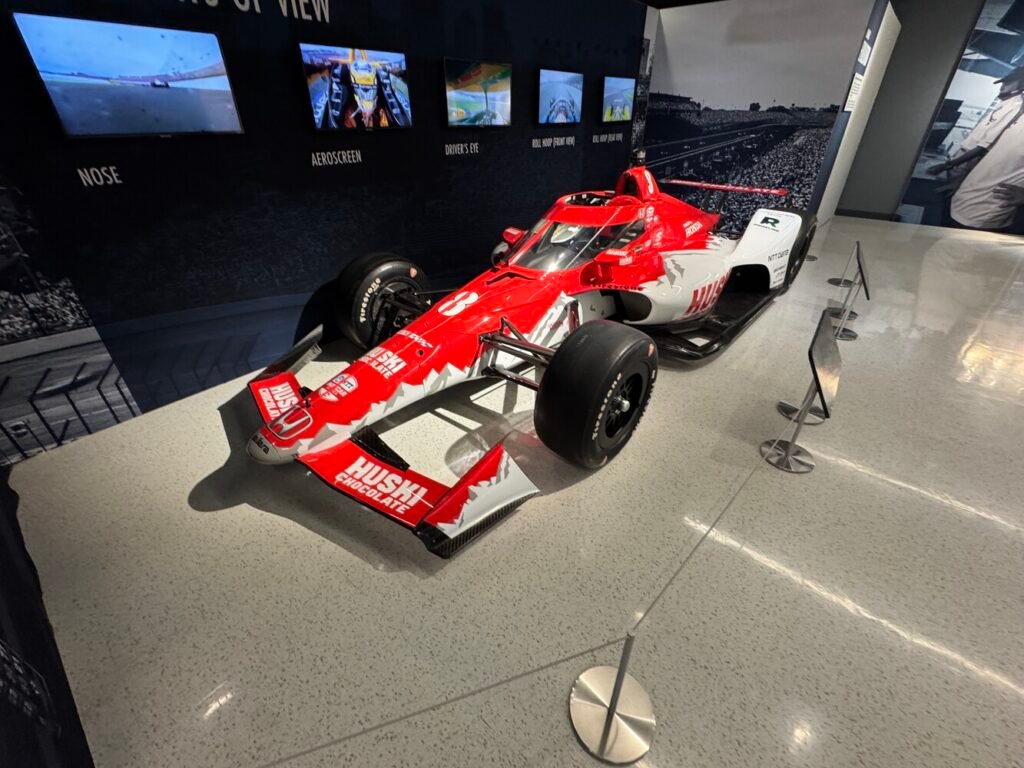
- A modern race car can carry hundreds of sensors streaming real-time telemetry: speed, tyre pressures and temperatures, fuel use, suspension position, G‑forces, aero balance, driver inputs and more.
- F1-style telemetry is essentially a live high-frequency IoT system, transmitting data from car to engineers in milliseconds so they can adjust strategy, setup and pit stops on the fly.
- Without telemetry and data analysis, race engineering goes back to “driver feel” and guesswork; with it, teams can calculate exactly when to pit, how hard to push, and where a driver is losing tenths in each corner.
Data engineers are the race strategists of the AI era
- F1 data and performance engineers sit trackside turning raw telemetry into decisions on tyre choice, fuel strategy, engine modes and even driving style adjustments.
- Their work includes building data pipelines, cleaning messy sensor data, running simulations and training ML models to predict tyre degradation, component failures and race outcomes.
- “Without data, all you have is an opinion” is literally how F1 engineers describe their job: you move from opinion-based racing to evidence-based racing.
Why this STEM work is hard to automate
- AI is very good at narrow, repetitive tasks, but motorsport engineering is about integrating physics, human behavior, weather, regulations and incomplete data in real time, a complex systems problem.
- Reports on STEM and AI note that the safest careers are those combining strong technical depth with human judgment, cross-domain reasoning, and system design – exactly what race engineers and data engineers do.
- In practice, AI in racing augments humans: it flags anomalies, suggests strategies and predicts failures, but humans decide which risks to take, when to override the model, and how to translate insights into car setup and driver coaching.
Market size, growth and opportunity
- The global motorsports market is estimated around 9–10 billion USD mid‑2020s and is projected to reach roughly 15 billion USD by 2030, with annual growth around 7–8%.
- A significant growth driver is exactly what your podcast is about: investments in electric and hybrid racing, advanced telemetry, simulation, and fan-tech like real-time data overlays and predictive race analytics.
- Racing data acquisition systems alone are a more than 1‑billion‑dollar niche, growing close to 8% annually as teams, series and even clubs adopt pro-level data tools.
STEM pipeline and “experience knowledge”
- Modern STEM guidance emphasizes that the edge in an AI world is not just coding, but blending math, physics, engineering, and data with human skills: critical thinking, systems design, asking the right questions, and communicating insights.
- Motorsport is a live laboratory for this: young engineers learn to design experiments on track, interpret noisy telemetry, understand driver feedback, and iterate setups under time pressure – experience you cannot get from a textbook or a model.
- Those capabilities transfer directly into wider industries: aerospace, autonomous vehicles, robotics, energy systems and any domain where you have complex machines, real-time data, and high-consequence decisions.
Finally:
- “A race car today is basically a rolling data center streaming hundreds of channels of live telemetry every lap.”
- “In top-tier racing, data engineering is as decisive as driver talent – strategy calls are made in milliseconds based on live models, not gut feel.”
- “AI isn’t replacing race engineers; it’s becoming their co‑pilot. The irreplaceable value is the human who understands physics, data, and pressure enough to say yes or no to what the model suggests.”
- “Motorsport is a 10‑plus‑billion‑dollar market racing toward 15 billion by 2030, and the fastest-growing parts are exactly where STEM and data live: telemetry, simulation, and intelligent hardware.”